Schramsberg Vineyards
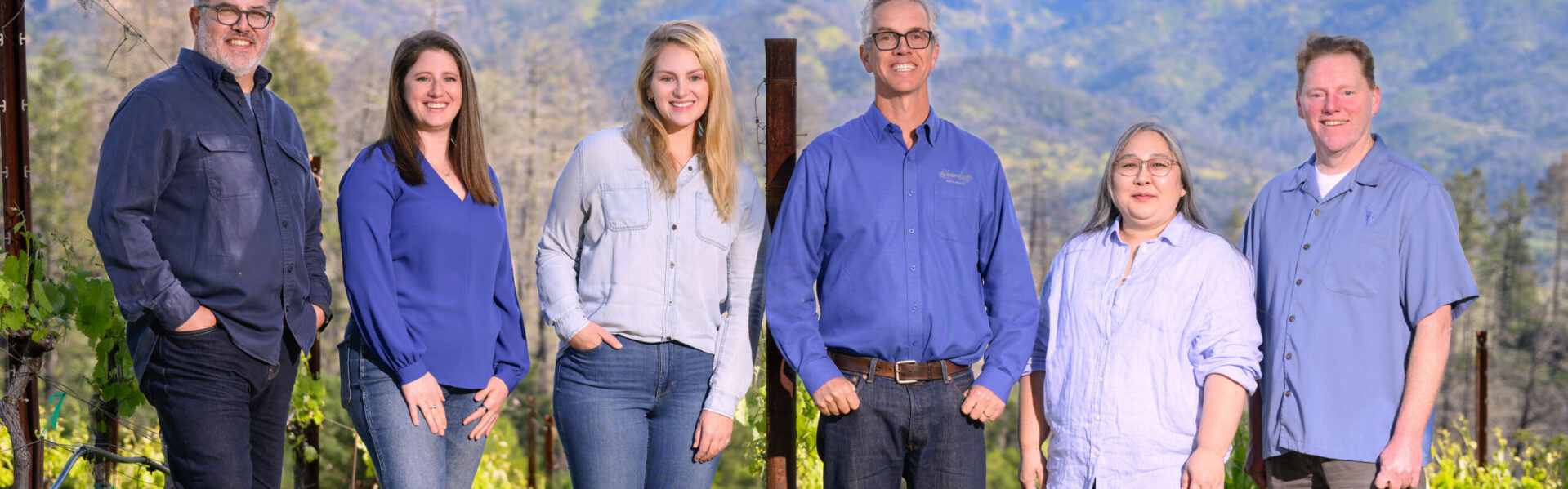
While it is still March at the time of writing, Napa has fully embraced the spring season. Budbreak abounds from Carneros to Calistoga and we’re all just trying to stay ahead of whatever is going to happen next. Sean, Katelyn, and I have been hard at work blending the base wines to create the cuvees that will mature into the sparkling wines you know and love. After evaluating all of the 2025 lots at the end of last year, we began to focus on our favorite lots and start to put together the puzzle pieces of our J. Schram Blancs, J. Schram Noirs, and J. Schram Rose blends.
Spring 2026 Camp Schramsberg has recently wrapped up and for those who have not had the chance to experience it, we cover base wine tasting and the concept of blending. It’s an opportunity for the campers to experience the diversity of sites that we work with and to experience the creative side of winemaking, putting together the puzzle pieces of lots together to create something greater than themselves. Inevitably, when we make the group choose their favorite blends, the camper’s first place and the winemaking team’s first place are on opposite ends of the spectrum, and when you think about it, it makes sense.
The campers, whether they are consumers or members of the wine trade, will typically only experience wine in its finished form in a glass, already blended, bottled, and aged for an amount of time that someone considered appropriate. It is a wine that is ready to drink, by most standards. The wines we are tasting with the campers are fairly raw and unfinished and for the most part, they’re being looked at from the perspective of “what tastes best today”. For our winemaking team, looking at the same wines, must approach from a perspective of “where is this wine at in its life and where does it need to go”. It’s a good reminder and something we often forget to communicate to the campers.
This difference in perspective allows for us to favor a higher presence of acidity, an abundance of barely ripe and unripe fruits on the nose and palate, and the edge of quinine-like quench on the finish that may not taste perfect today, but with the addition of effervescence to lift the nose and palate and the complexity of autolytic characters from the sur lie aging come together to create a perfectly balanced, fruit-forward, sparkling wine that will age for decades and speak to the vintage on which it was based. It’s a skill that we practice each year with the hopes that we’re getting better at it over that time. The only way for a winemaker to learn how to do what we do is to practice it vintage after vintage, tasting through the wines we’ve bottled and checking in on them as they age, taking copious notes and hoping that with this years-long practice, we are able to deliver better and better wines to you each year.
Davies Vineyards
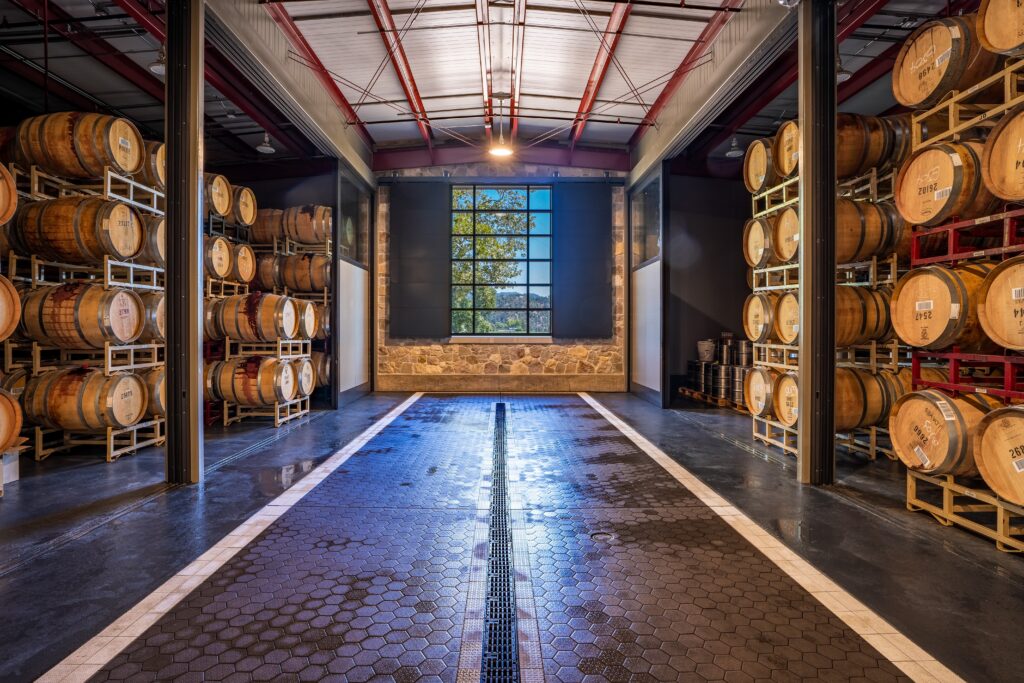
The cellar team has been busy in the winery, siphoning samples from our 260+ barrels from our 2024 Cabernet/Bordeaux lots, for last few weeks.
The 2024 lots have continued to evolve beautifully, making the initial blends exciting to assemble. The winemaking team (Hugh, Sean, Jessica, Sam and me, plus our long-time friend and consultant Celia Welch) will continue to add and subtract blending elements from our base blends (milliliters at a time), until we have found that one blend that best represents a site’s fruit and vintage.
Our initial tasting sessions have yielded the first third of the 2024 blends, with end of April being dedicated to finishing up the remaining seven Cabernet lots.
Then the cellar crew will again take over, and by the end of the month all 260+ barrels that we began with will get organized, racked, blended and reassembled into their respective 10 lots — for one more small nap in barrel before bottling in July.
These 2024 Davies Cabernet wines will really be something to look forward to when they release next year, but until then I may have to find an older vintage to keep me company.